8 Tips on How to Start a Calibration Program for Your Assembly Tools
As a plant manager, you already know the need for routine calibrations, but how are you recording them? Many plants use spreadsheets that need manual updates, but a robust assembly tool calibration program is more than a calendar of when each tool needs service. While that information matters, so do record retention and review for each tool, details on the calibrations performed, and the provided certificates.
A well-designed calibration program protects against product risks and provides a basis for continuously improving internal processes, both of which help lower costs, improve risk protection, and extend equipment life.
Whether you’re starting a calibration program from nothing or upgrading your current process, we recommend the following practices:
1. Review Your Existing Inventory
A calibration program requires a detailed inventory of not only online tools, but tools that have been withdrawn from service (along with what has been done with them).
Sometimes, new equipment is brought in but not entered into the tooling inventory. Another problem is when records don’t get updated to show that items have been withdrawn. Failure to update is extremely common with manual spreadsheets because it often relies on one person to update, and if that person is on vacation or otherwise busy, who is responsible for stepping in and taking over inventory management?
For this reason, a physical audit of assembly tools is recommended. Review current online tools to verify they’re recorded and marked appropriately, and check the database for tools marked online that aren’t physically present.
An inventory check also helps identify tools past their calibration due date (manual spreadsheets don’t offer notifications when a calibration date is approaching) and tools without calibration information that require immediate inspection for drift.
2. Review Past Records
In many businesses, calibration records are incomplete or lack the detail needed for an effective program. Review those that are available to determine whether calibration schedules are being maintained and to see what details are being recorded. Look for omissions like:
- Place of use and application details
- Calibration frequency
- Required tolerance level
- Results of recent calibrations (especially uncertainty values)
- Age
- An assessment of overall condition
Also look at how the records are maintained. Handwritten notes are often illegible, and spreadsheets are never effective for managing more than a few tools. A computerized calibration system will always do a better job of data retention, updating, and schedule management.
3. Examine Existing Verification & Training Processes
Verification involves checking that equipment is delivering the expected measurement results. Training is important because equipment operators need to know how and when to perform these verification checks.
Verification matters because sensors can drift, and equipment can go out of calibration due to misuse or environmental factors like high temperatures and humidity. Best practice is to verify accuracy at the start of each shift and log the result. However, verification frequency may be adjusted based on the risk of using equipment that is out of calibration.
When examining how verification is performed, look at how many employees have been trained, and what they actually do. Determine if current practices are satisfactory or if improvements are needed.
4. Save Money by Outsourcing
Assembly tool calibration requires a controlled environment and carefully managed procedures, especially for measurement uncertainty.
Confidence in calibration processes is highest when the laboratory follows the procedures defined in ISO 17025 (testing and calibration laboratories). However, obtaining and maintaining an ISO 17025 accreditation is time-consuming and expensive. In a large business, there may be benefits in setting up an ISO 17025-accredited lab, but for most companies, outsourcing is more cost-effective.
Another benefit of outsourcing is that a professional can help refine calibration intervals and maintain the database. This frees internal staff for urgent tasks like tracking down tools due for calibration and supporting verification work.
5. Prioritize Critical Equipment Requiring Immediate Calibration
A good calibration program classifies tools by their impact, meaning how risky an inaccurate reading poses to product quality.
For example, critical tools used for inspection should be calibrated frequently. Other tools may be important, but as they don’t set final quality, they can be calibrated less often. A third group includes tools used only for tasks that don’t affect product quality.
Other criteria for prioritizing equipment for calibration include:
- Exposure to harsher conditions and the most likely to experience drift
- Equipment with the highest or roughest usage
- Equipment with a history of drift
6. Use OEM-Equivalent Loaner Tools to Maintain Production Standards
Replacements are needed when assembly tools go for calibration or repair, and the calibration program must also cover these.
One approach is to keep spares in a tool inventory. However, these tools must also undergo regular calibration to ensure they are fit for use when needed.
An alternative is to use OEM-equivalent loaner tools. However, this method is only effective when the loaner tool is requested well before the need arises, calibrated before delivery, and put through the normal verification procedures before use.
7. Build Procedures for Retiring Equipment
Calibration drift tends to increase as assembly tools age, but plants without an effective calibration program often keep making adjustments and returning them to service. This increases the risk of shipping products with fasteners that are over- or under-tightened.
The increasing rate of drift should be noted. Then, a decision should be taken to remove the tool from service if it appears likely to slip out of the acceptable working range before the next calibration.
Achieving this requires developing and training employees on procedures for equipment retirement. How much of a rate increase is acceptable before a tool should be retired? Will you remove the tool from the database entirely or can you classify a tool as retired? How will the plant dispose of a retired tool?
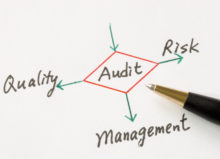
8. Perform Periodic Internal Audits
Once established, review your calibration program periodically to verify it still meets your business needs. A detailed audit may identify opportunities to improve that reduce risks or lower costs. For example, as experience with the program grows, you may identify ways to improve record keeping, or better methods of analyzing histories could emerge.
Audits should be conducted, even when working with third-party calibration labs. Processes and needs may change, and there may be occasions when system-wide database changes could help, or when calibration frequency for certain tools needs to change.
Get Help Managing Your Tools
Assembly tools play a vital role in achieving product quality goals and, by extension, protecting your business’s reputation.
If you don’t have the internal resources required to maintain a robust calibration program, turn to Encore Systems. We can service most major brands of assembly tools and maintain an in-house calibration lab accredited by ANAB to ISO/IEC 17025. Beyond calibration, we offer custom tool management programs for plants across the U.S.
Contact us today to learn more about how we can help your plant maintain quality and compliance.