Should You Invest in Assembly Tools With Built-in Transducers?
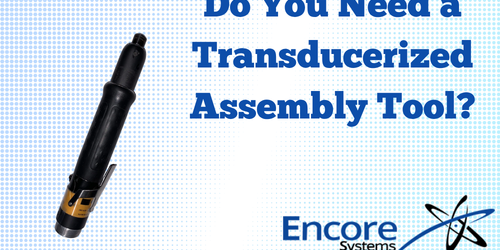
Transducerized assembly tools can offer a multitude of benefits, but they’re not right for every application. Learn more in this breakdown.

Transducerized assembly tools can offer a multitude of benefits, but they’re not right for every application. Learn more in this breakdown.
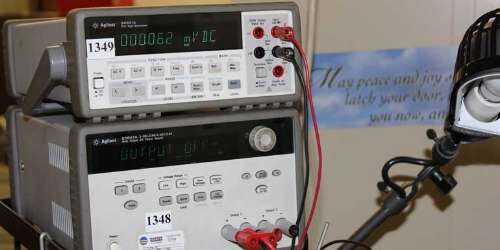
Calibration is a necessary part of assembly tool maintenance. Learn which factors influence how often calibration should be performed
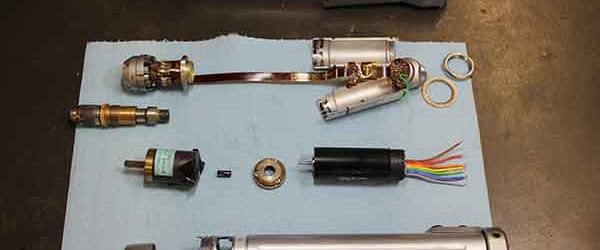
Reconditioning and refurbishing can be cost-effective compared to a complete replacement. Learn more about the differences between both processes.
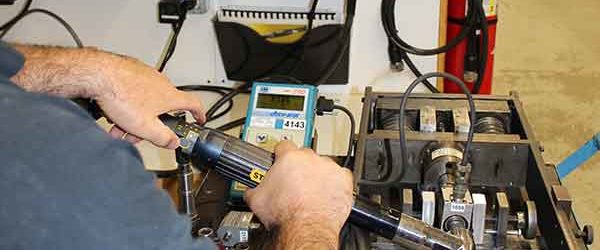
Explore the most common mistakes that can occur when you calibrate your own assembly tools, and why working with an ISO 17025-compliant calibration lab is critical.
Learn more about why a test uncertainty ratio is critical to the quality of a calibration, how to calculate it, and more.
Learn more about calibration standards, including ISO 17025, why they matter, and why working with a compliant partner is critical.

Assembly tools can and will drift over time in service. Learn more about torque verification methods that can help prevent costly mistakes.
Encore provides fast and cost effective repairs for most manufacturers of DC and air tools.