Understanding Calibration Standards
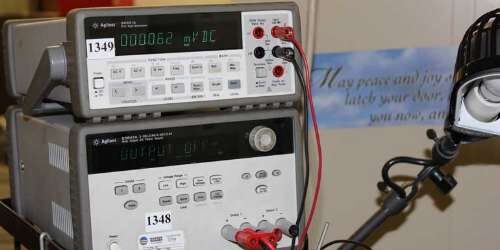
Learn more about calibration standards, including ISO 17025, why they matter, and why working with a compliant partner is critical.

Learn more about calibration standards, including ISO 17025, why they matter, and why working with a compliant partner is critical.

Assembly tools can and will drift over time in service. Learn more about torque verification methods that can help prevent costly mistakes.

Tool management involves identifying, tracking, and, most importantly, maintaining the devices and equipment used throughout production. The task requires accurate reporting, precise data maintenance, and a good eye for detail. When it isn’t done, tools break in service and can perform incorrectly as a result of damage and calibration drift. Unfortunately, amid the pressure of […]

Assembly tools that aren’t calibrated can lead to severe consequences, including fatalities. This blog outlines two calibration standards you should know.

Plant managers often wonder whether replacing or repairing assembly tools is better, but a third, potentially cost-effective option exists: reconditioning.
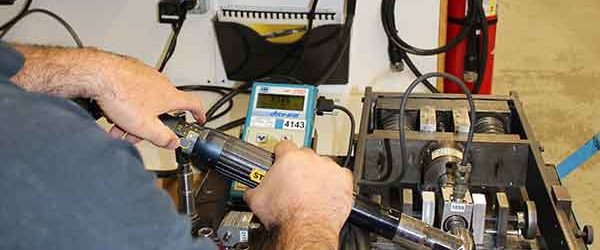
DC torque tools contain many moving parts. If these tools are heavily used, internal components will start to wear, and if it’s ever been dropped, struck, or exposed to dirt or moisture (all common problems in busy factories), it can result in problems like calibration drift, cable wear or fatigue, sensor faults, worn brushes, or […]

Calibration can change gradually over an extended period. It can also jump suddenly, often as a result of the tool being dropped. This change is called “calibration drift,” and it can quickly become a very serious problem. Calibration prevents both overtightening, which could lead to deformation and fastener failure, and under-tightening, which might cause an […]
Encore provides fast and cost effective repairs for most manufacturers of DC and air tools.