Should You Repair or Replace Your Assembly Tools?
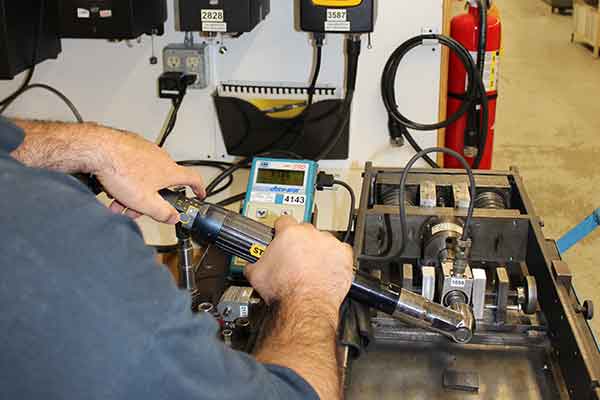
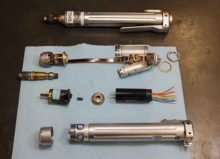
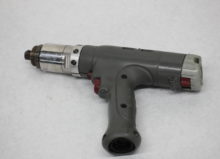
DC torque tools contain many moving parts. If these tools are heavily used, internal components will start to wear, and if it’s ever been dropped, struck, or exposed to dirt or moisture (all common problems in busy factories), it can result in problems like calibration drift, cable wear or fatigue, sensor faults, worn brushes, or overheating.
If these issues are not caught and addressed promptly, two consequences are likely to happen: 1) The tool will deliver inconsistent results, risking complaints and warranty claims, or 2) it will fail suddenly, disrupting production until a replacement can be brought in.
The likelihood of repairs being needed increases with age and usage, but when does it make sense to replace rather than fix?
How Old Is It?
Given that failure rates rise over time, is it worth repairing an old tool? And what counts as old?
First, if the tool is still under warranty, always get it repaired. The manufacturer will decide if the damage is so severe that replacement is needed.
For an older assembly tool or one that’s out of warranty, a good approach is to estimate how much additional life repairing it will add. If past experience with a particular model suggests it’s less than halfway through the expected life, repairing it may make sense.
Another consideration is whether replacement parts are available. Housings or casings can go out of production surprisingly quickly. You should also look at the new tool equivalent and decide if it offers features or capabilities that would raise productivity over what the old tool provides.
Does the Component Frequently Need Repairs?
If a tool needs repairing once and then provides reliable service, it’s a good tool and probably worth keeping. However, if repair records show a history of problems, this may indicate deep-seated faults that aren’t being addressed. While it’s possible to keep having the tool repaired, and even to have it rebuilt, a more cost-effective answer might be to replace it.
What Is the Root Cause of the Issue?
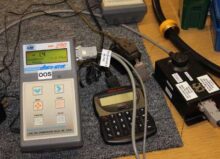
When assessing whether to repair or replace an assembly tool, consider what type of faults it’s suffering and what might be causing them. Some problems, such as calibration drift, faulty sensors, and defective switches, can be quickly addressed without significant disruption. Other problems, however, such as internal motor damage or a cracked housing, can be more challenging to repair.
Generally, as faults become increasingly difficult to repair, replacement becomes a more viable option.
What Is the Extent of the Damage?
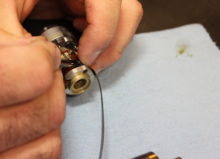
When a single component, such as a switch, cable, or sensor, fails, repairs are usually straightforward. If the damage affects several parts of the tool, as often happens when one is dropped, repairs can be more complex and expensive.
Bent spindles, damaged bearings, and damaged gears are examples of core components that, if damaged or faulty, need more work to repair. Additionally, there’s a risk that related components may have suffered damage as well, which, if undetected, could lead to higher failure rates in the future. This is why, in the case of an assembly tool suffering extensive damage, it’s often better to replace rather than repair.
How Much Will the Repair Cost?
The general rule of thumb for repair versus replacement is to replace if the repair cost exceeds 50% of the replacement cost. However, this simple guideline doesn’t take into account the age of the tool.
If a tool fails early in its life (even when it is out of warranty), the remaining life, if repaired, should be considered. This is where the “50-70 rule” comes in.
The 50-70 rule means that if the repair cost is less than half the cost of replacement and the repaired tool will have more than 50% of its useful life remaining, get it repaired. Conversely, if the repair will be more than 50% of the replacement cost and the tool is more than halfway through its life, replace it.
The gray area is whether repairs will cost more than 50% of the replacement tool’s price, but the tool still has more than 50% of its useful life remaining. In these situations, look to see if repairs will cost less than 70% of a replacement. If this is the case, repair may be the better option.
Get a Free Evaluation Today
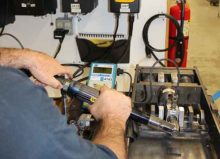
If you’re not sure if your part requires a repair or a complete replacement, talk to our team at Encore Systems. Our DC torque tool repair specialists can diagnose and repair all types of assembly tool problems, servicing most major brands, including Atlas Copco, Ingersoll Rand, and FEIN. Contact us today to request a free part evaluation.